Complete PCB Manufacturing Solutions for Efficient Electronics Production
Bringing an electronic product from an engineering concept to a finished device requires careful coordination across several manufacturing stages. A reliable printed circuit board must be produced from accurate manufacturing files, the necessary components need to be sourced, and those components must be assembled according to the product design. Testing and final integration may then be required before the product is ready for its intended application.
For businesses looking to simplify this process, an integrated electronics manufacturing partner can provide valuable support throughout the production journey. From custom printed circuit boards and turnkey PCBA to component sourcing, testing, and box-build assembly, 365PCB supports electronics projects from manufacturing files to finished products. This comprehensive approach helps connect the individual stages of production into a practical and organized workflow.
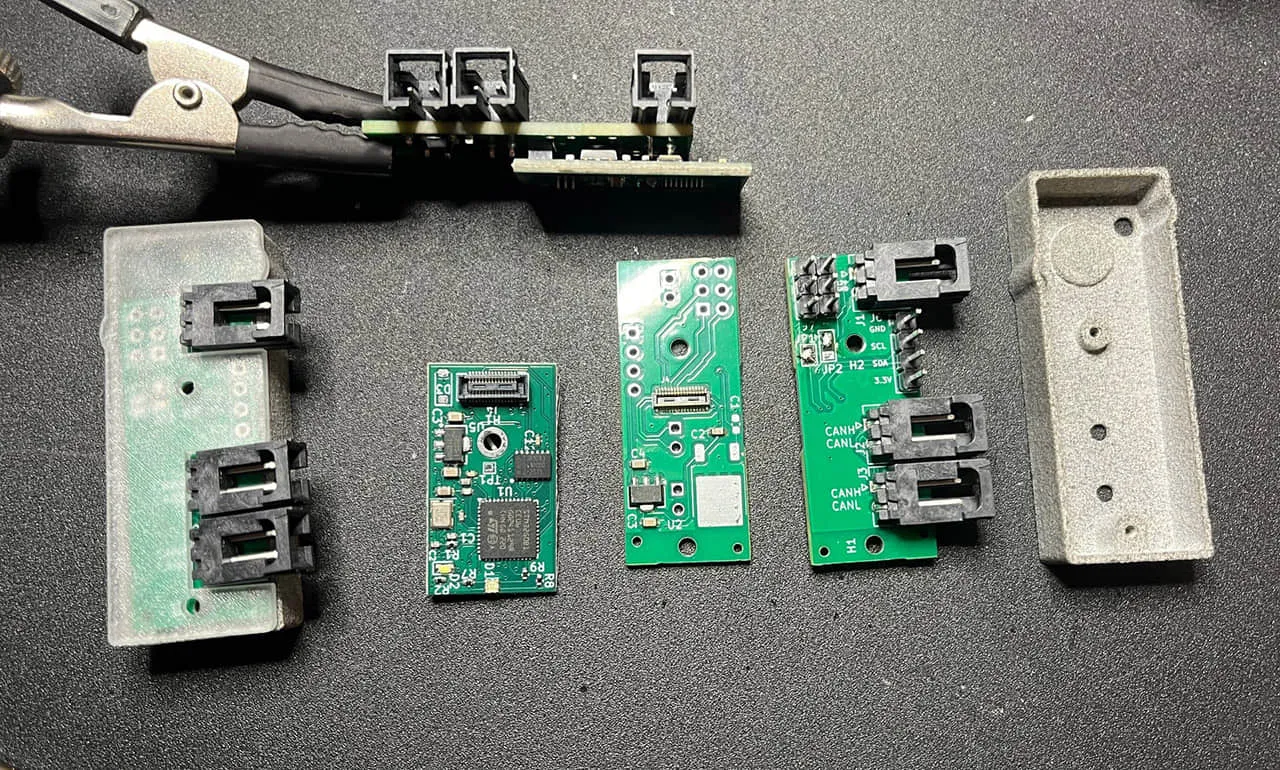
Custom PCB Manufacturing Creates the Foundation
The printed circuit board is a fundamental part of most modern electronic equipment. It provides the conductive pathways that connect components and allows the circuit to perform its intended functions. Since electronic products have different designs and technical requirements, custom PCB manufacturing is an important part of developing products for specific applications.
Custom production allows circuit boards to be manufactured according to project-specific requirements rather than relying on a generic board configuration. Dimensions, circuit complexity, layout requirements, and other manufacturing specifications can all influence the final board.
From Engineering Files to Manufactured Boards
Electronics manufacturing often begins with customer-provided manufacturing files. These files contain the information necessary to translate a digital circuit design into a physical PCB. A structured manufacturing process helps transform that information into boards prepared for the next production stage.
Starting with accurately manufactured circuit boards provides a solid foundation for assembly. It also creates a more direct connection between the engineering stage and the physical production process.
Turnkey PCBA Simplifies the Assembly Stage
After PCB fabrication, the next step is to install the electronic components required to make the circuit functional. Printed circuit board assembly combines the manufactured board with components according to the project's design and production requirements.
Turnkey PCBA brings multiple responsibilities together within one manufacturing workflow. Instead of arranging PCB fabrication, component procurement, and assembly through separate suppliers, businesses can coordinate these activities with an integrated production partner.
This approach can make manufacturing easier to manage and reduce unnecessary communication between different suppliers. It also creates a more connected path from a bare circuit board to a completed electronic assembly.
Supporting Consistent Electronics Assembly
Accurate assembly is important for the performance and repeatability of an electronic product. Components need to correspond with the intended design, while the finished assembly must be prepared for testing and any additional integration required by the project.
Component Sourcing Keeps Manufacturing on Track
The availability of suitable electronic components is an important consideration during production. Even when a PCB design is complete, manufacturing can be delayed if the required components are not available when assembly is scheduled.
Integrating component sourcing with PCB manufacturing and assembly creates a more coordinated approach to procurement. Component requirements can be managed alongside the production process, helping businesses avoid treating material sourcing as an entirely separate task.
Connecting Procurement With Production
A centralized manufacturing workflow can reduce the number of suppliers that businesses need to coordinate. When sourcing and assembly are connected, information about required components can be aligned more closely with production requirements.
This can be particularly useful for companies that want to simplify supply-chain management while maintaining an efficient route from manufacturing files to assembled electronics.
Testing Adds Confidence Before the Next Production Stage
Testing is an important part of electronics manufacturing because a completed assembly needs to meet the requirements of its intended application. Appropriate testing can help identify potential issues with an assembly before it moves into additional integration or final product preparation.
The testing process can vary according to the product, circuit design, and manufacturing objectives. Including testing within the production workflow creates an additional opportunity to identify manufacturing or assembly problems before they become more difficult to address.
Quality Checks Within the Manufacturing Workflow
Quality control is most effective when it is considered throughout the production process. PCB fabrication, component sourcing, assembly, and testing all contribute to the overall quality of the final electronic product. Coordinating these stages can provide a more organized approach to production management.
Box Build Assembly Moves Beyond the Circuit Board
A functional PCBA is not always the final product. Many electronic devices require an enclosure, cables, connectors, displays, switches, mechanical components, or other parts before they are ready for use.
Box-build assembly brings the electronic assembly together with these additional product elements. This creates a bridge between circuit-level manufacturing and the production of a more complete electronic device.
For businesses, access to box-build capabilities can simplify final integration. Instead of sending an assembled PCB to another provider for product-level assembly, companies can manage more of the manufacturing journey through a single coordinated service.
How an End-to-End Manufacturing Process Works
An integrated electronics manufacturing project can start with manufacturing files supplied by the customer. The PCB is then fabricated according to the specified requirements. Once the boards are ready, required components are sourced and the assemblies are produced through the PCBA process.
Testing can then be performed according to the project's requirements. If the final product requires additional mechanical or system-level integration, box-build assembly can complete the next stage by combining the electronics with the necessary external components.
This workflow provides a clear progression from digital manufacturing information to a physical circuit board, functional assembly, tested electronics, and potentially a finished product.
Important Advantages of an Integrated Manufacturing Partner
Using separate suppliers for PCB fabrication, component sourcing, assembly, testing, and final integration can make an electronics project more difficult to coordinate. Each supplier may have different schedules, communication processes, and production requirements.
An integrated manufacturing model can simplify these responsibilities by bringing multiple capabilities together. Businesses can work with one production partner for a broader range of manufacturing needs, making it easier to coordinate project information and production stages.
For companies seeking this type of manufacturing support, the 365 PCB Manufacturing company offers custom PCB fabrication, turnkey PCBA, component sourcing, testing, and box-build services. These capabilities are designed to support electronics projects across multiple stages of production.
Flexible Support for Different Electronics Projects
Every project has different manufacturing requirements. Some businesses may need custom circuit boards for an initial production run, while others may require complete turnkey manufacturing through assembly, testing, and box build. A broad service offering makes it possible to select the capabilities that match the project's needs.
Building a More Direct Route to Finished Electronics
Successful electronics manufacturing depends on the smooth connection of several individual processes. Custom PCB production provides the foundation, component sourcing supplies the necessary materials, and PCBA creates a functional electronic assembly. Testing adds an important production check, while box-build assembly can take the product to a more complete stage.
By bringing these services together, 365PCB provides businesses with a practical way to manage more of their electronics manufacturing through one coordinated workflow. This can help reduce production complexity and create a clearer path from manufacturing documentation to finished electronic products.
When your project requires dependable support beyond basic PCB fabrication, an integrated manufacturing solution can simplify the journey. Choose the 365 PCB Manufacturing company for a connected approach to custom PCBs, turnkey PCBA, component sourcing, testing, and box-build assembly, and move your electronics project confidently from manufacturing files toward finished production.