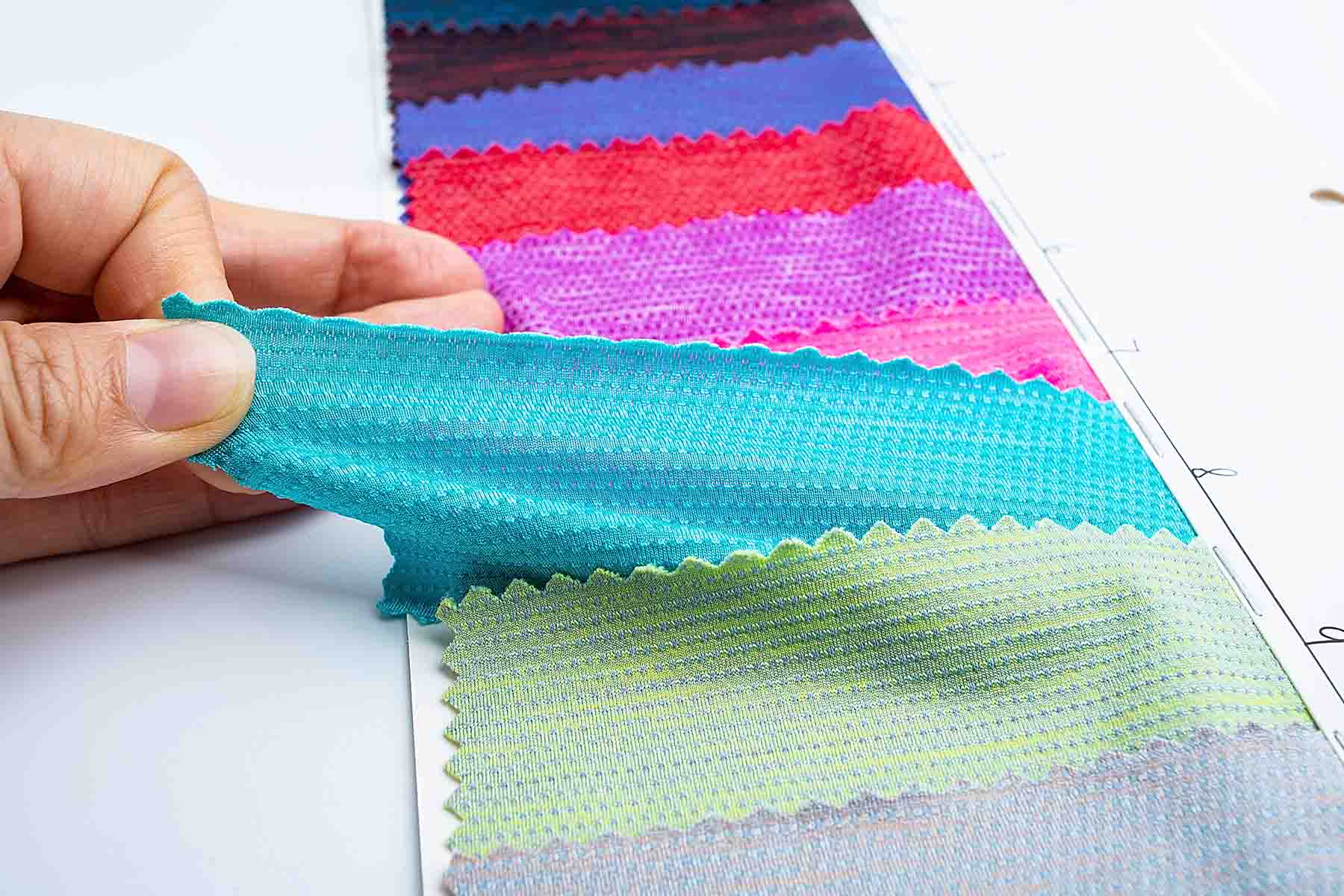
How To Choose The Right GSM For Your Custom Mesh Shorts Order
If you’ve ever been knee-deep in a bulk apparel order and hit a wall trying to figure out what GSM means—or why it even matters—you’re not alone.
At first glance, it sounds technical. Industry-speak. The kind of thing only product developers and factory reps need to worry about.
But here’s the truth: GSM is one of the most important decisions you’ll make when sourcing mesh shorts. It affects how they feel, how they wear, how they’re priced, and ultimately—how well they sell.
So let’s break it all down. Whether you're outfitting a high school basketball team or launching a streetwear drop, this guide will help you choose the right GSM for your custom mesh shorts order.
Wait, What Even Is GSM?
GSM stands for grams per square meter. It’s a measure of fabric weight, not thickness.
Think of it like the paper weight of apparel. Have you ever picked up a flyer on flimsy paper and another on heavy cardstock? Same concept.
Higher GSM = heavier, denser fabric. Lower GSM = lighter, airier material.
And when it comes to mesh shorts, GSM plays a starring role in both feel and function.
Why GSM Should Be One Of Your First Decisions
A lot of buyers jump straight into design. Colorways, logos, fonts.
But if the fabric doesn’t match the vibe or purpose of the shorts, your customers will notice. They might not use the word “GSM,” but they’ll feel it.
A luxury streetwear fan wants a thick, drapey short with structure. A marathon training team? They want something breathable and feather-light.
The GSM you choose sets the tone. It communicates quality, purpose, and price without saying a word.
140 GSM: The Lightweight Workhorse
Let’s start at the lower end.
140 GSM mesh is light, breezy, and budget-friendly. It’s popular for:
- Athletic training gear
- Youth sports uniforms
- Summer promotional giveaways
- Festival or event merch
The upside? It’s breathable, easy to wear in hot weather, and doesn’t weigh you down. It’s also cheaper to produce, which helps when margins are tight.
But there’s a trade-off. Lighter mesh can feel thin. It doesn’t drape as well. And it may not stand up to heavy wear or detailed prints.
One team booster club ordered 500 pairs of 140 GSM shorts for a summer tournament. They looked great on day one. But after a few washes, some started to lose shape.
Lesson learned? Lightweight mesh works best when cost and comfort matter more than longevity or luxury.
160 GSM: The Middle Ground That Moves
Right in the sweet spot, 160 GSM offers more structure without sacrificing comfort.
Perfect for:
- High school or college teams
- Spiritwear shops
- Streetwear basics
- Pop-up merch booths
This weight gives you enough density for clean prints and embroidery. It feels more substantial in the hand but still breathes well. It’s the “do-it-all” option for many custom apparel buyers.
We spoke with a small brand out of New Jersey that switched from 140 to 160 GSM after customer feedback. “People kept saying the shorts felt too light,” the founder said. “At 160, they still breathe—but they hang better. Our return rate dropped.”
If you want balance, versatility, and solid value, 160 GSM is a smart default.
180 GSM: The Premium Streetwear Standard
Now we’re getting into heavyweight territory.
180 GSM mesh is thicker, drapier, and feels undeniably premium. Popular with:
- Independent streetwear brands
- Luxury merch drops
- Collectors and limited editions
- Higher price-point retail
It gives shorts that “tunnel walk” silhouette you see in NBA pre-games—structured, confident, and clean.
But heavier mesh comes with trade-offs. It costs more. It takes longer to dry. And it’s not ideal for high-output athletic use.
A boutique on Melrose launched a 180 GSM mesh short with embroidered appliqué and metallic drawcord tips. They sold out in two days. “Our customers want weight,” the owner said. “They equate it with quality. They’ll pay for it.”
For high-end audiences, 180 GSM signals intention. It sets you apart.
When To Go Even Heavier (200+ GSM)
Yes, it’s possible. Some brands push into 200 GSM and beyond.
These are statement pieces. Mesh shorts that blur the line between sport and fashion. They’re thick, structured, and often styled with oversized fits and luxe details.
But be warned: they’re not for everyone.
Heavy mesh can feel too stiff for casual wear. It’s hot in warm climates. And it’s expensive to ship, especially in bulk.
If you’re targeting a fashion-forward, urban demographic? This might be your move. But for most merch vendors, team coordinators, or event planners, 200+ GSM is overkill.
How GSM Affects Price
Fabric weight directly impacts cost.
More grams = more material = higher price. But it’s not just about cost per unit.
Heavier shorts often require:
- Stronger stitching
- Better waistbands
- Higher-quality printing
- More complex finishing
All of which add to your total price per piece.
But here’s the flip side: buyers are often willing to pay more if the quality matches the price tag.
A screen print shop in the Midwest told us, “We charge $3 more for 180 GSM shorts. But they outsell the lighter ones 2-to-1. People want the feel.”
GSM And Print Quality: What You Need To Know
Lighter mesh is trickier to decorate. The open weave can cause ink to bleed or thin out. Sublimation works best here, since it dyes the fabric itself.
Mid-to-heavy mesh holds ink better. It gives you more options—screen printing, puff ink, embroidery, heat transfers, and more.
One urban merch vendor tried puff ink on 140 GSM mesh. It cracked after two washes. The same design on 180 GSM? Crisp, clean, and durable.
Choose your GSM with your artwork in mind, not just your budget.
Consider The End User: Who’s Wearing These Shorts?
You’re not just buying fabric. You’re designing an experience.
Ask yourself:
- Are these shorts for athletes or fans?
- Will they be worn casually or during training?
- Is resale value important—or are they giveaways?
- Do you want them to feel premium, or just serve a purpose?
Your answers will point you toward the right GSM.
A nonprofit we worked with wanted shorts for a 5K fundraiser. They chose 140 GSM—light, comfortable, cheap to ship. On the other hand, a fashion collective in Brooklyn went with 190 GSM for a capsule drop. Their buyers wanted weight, structure, and exclusivity.
Same product category. Two very different goals.
Final Thought: GSM Isn’t Just Fabric Weight—It’s Strategy
Choosing GSM isn’t about picking a number off a chart. It’s about aligning material with meaning.
It tells your customer: “We thought this through. We didn’t just print on whatever was cheapest. We built something for you.”
When the GSM matches the moment, your shorts don’t just look better. They sell better.
Ready To Pick The Perfect GSM For Your Mesh Shorts?
We help merch sellers, retailers, and teams design custom mesh shorts that match their vision, their buyers, and their brand—from 140 GSM up to heavyweight builds that command attention.
Explore our full custom mesh shorts collection and get expert help picking the right weight for your next bulk order.