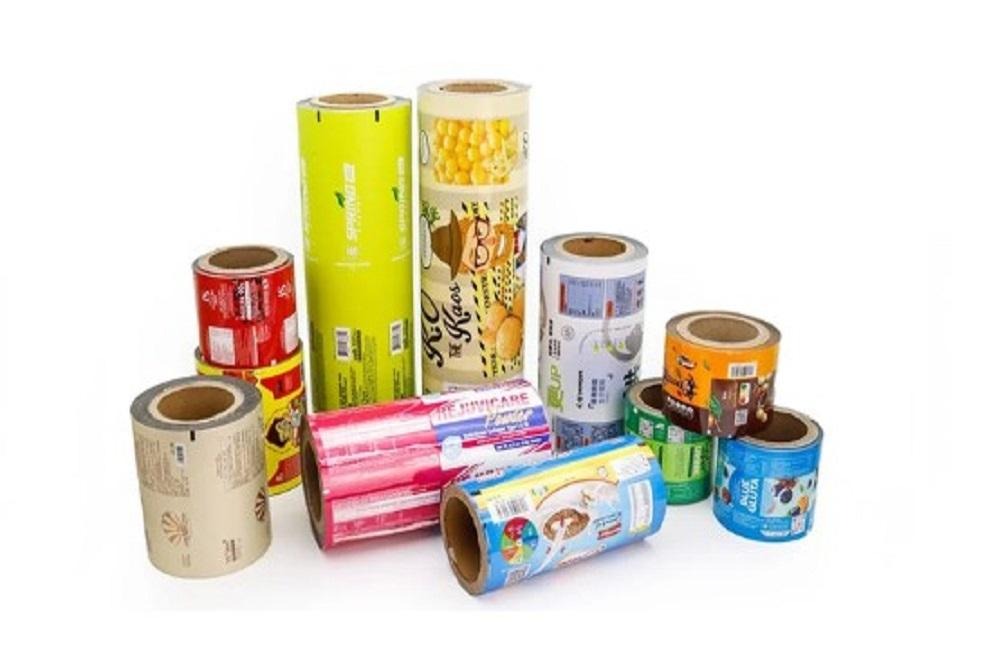
 Flexible packaging has rapidly become one of the most versatile and widely used forms of packaging in modern industry. Unlike rigid containers such as boxes, jars, or cans, flexible packaging is made from materials that bend, fold, or adapt to the shape of the product they contain. This adaptability allows manufacturers to create packaging that is not only functional but also visually appealing, sustainable, and convenient for both consumers and retailers. Common examples of flexible packaging include stand-up pouches, resealable bags, and three-sided pouches, all of which can be tailored to the unique requirements of the products they contain.
At its core, flexible packaging is defined by its adaptability. Materials such as plastics, paper, foil, or composites of these can be engineered to provide structural strength, protective barriers, and an attractive surface for printing and branding. Unlike rigid packaging, which often requires significant storage space and adds weight to transportation, flexible packaging offers manufacturers the ability to optimize space, reduce material usage, and enhance sustainability without compromising protection or aesthetics.Components of Flexible Packaging
Flexible packaging is often made from multiple layers of material, each serving a specific purpose. At the base, thin film substrates provide structural integrity and adaptability. These films can be made from polyethylene terephthalate (PET), oriented polypropylene (OPP), nylon (NY), metalized PET (MPET), linear low-density polyethylene, ethylene vinyl alcohol (EVOH), or specialized cosmetic web materials. The outermost layer usually features branding and graphic designs, allowing for vibrant, detailed, and visually appealing packaging. The middle layer provides essential barrier properties to protect the product from moisture, oxygen, or light.
Barrier properties are at the heart of flexible packaging’s ability to protect products. High-performance materials can shield the contents from oxygen, moisture, light, odors, and even temperature extremes. Moisture barriers prevent spoilage, mold growth, and degradation, while oxygen barriers help maintains flavor, aroma, and nutrient content. Light-resistant layers protect sensitive ingredients from discoloration or nutrient loss. Physical barriers prevent punctures, tears, and compression, ensuring fragile or irregularly shaped items remains intact during shipping and handling.Together, these protective features extend product shelf life, maintain quality, and enhance the overall consumer experience.
Advantages of Flexible Packaging
One of the most significant advantages of flexible packaging is its convenience. Lightweight and adaptable, flexible packaging is easier for retailers to handle, display, and stock. Unlike rigid boxes or jars, flexible pouches and bags can be stored in less space and are easier to transport. Consumers also benefit from portability, as resealable pouches can be carried in backpacks, stored in pantries without taking up excessive space, and used multiple times without compromising the product.
Barrier properties are crucial for preserving product quality and safety. Moisture barriers protect products from environmental humidity, while oxygen barriers help maintains flavor, color, and nutritional value. Light protection preserves sensitive ingredients, and physical durability prevents punctures, tears, and other damage during handling or transit. Temperature resistance ensures products remain safe and intact under freezing or high-heat conditions, which is essential for perishable or heat-sensitive goods. Odor control capabilities allow manufacturers to contain strong smells and prevent contamination of nearby products, a feature especially useful for chemical or cosmetic products.
Sustainability and Environmental Impact
Flexible packaging has also gained recognition for its environmental benefits. Compared to rigid packaging, it typically uses fewer raw materials, which reduces energy consumption and the environmental footprint of manufacturing. Lightweight packaging decreases fuel usage during transportation, lowering greenhouse gas emissions and reducing overall carbon impact. Many flexible packaging materials are recyclable, and innovations in bio-based plastics and responsibly sourced paper are enabling companies to further reduce their ecological footprint. By optimizing material usage, improving transportation efficiency, and adopting renewable materials, flexible packaging supports sustainability and circular economy initiatives, helping organizations meet regulatory and consumer demands for environmentally responsible solutions.
Applications across Industries
The versatility of flexible packaging makes it suitable for a wide range of applications. In the food and beverage sector, flexible packaging protects snacks, coffee, condiments, frozen meals, and pet food from spoilage, moisture, and contamination while allowing for attractive branding and convenient use. Health and wellness products, including medications, medical devices, and hygiene items, benefit from flexible packaging’s ability to maintain product integrity and prevent contamination. Personal care products such as shampoos, lotions, and other toiletries rely on flexible packaging for user-friendly designs, spill prevention, and visually appealing branding. Household goods, from detergents to cleaning supplies and gardening products, also make use of flexible packaging to ensure convenience, safety, and product preservation.
Flexible packaging is particularly well-suited for products requiring small or variable portion sizes. Single-serve snack packs, sample-sized cosmetics, and travel-friendly toiletries all benefit from the adaptable nature of flexible materials. Similarly, resealable pouches allow for repeated use without compromising product freshness, while vacuum-sealed packages extend shelf life for perishable foods.
Choosing Flexible Packaging for Your Product
Determining whether flexible packaging is the right choice for your product requires consideration of multiple factors. The nature of the product, its storage and transportation requirements, shelf-life expectations, branding goals, and regulatory compliance all play a role. For perishable foods, products sensitive to light, moisture, or oxygen, or items requiring user-friendly resealable closures, flexible packaging often provides clear advantages. Moreover, for brands seeking to reduce environmental impact, flexible packaging’s reduced material usage, lower weight, and recyclability provide tangible benefits.
China flexible packaging manufacturer is a dynamic, adaptable, and efficient solution for a wide range of products and industries. Its advantages extend beyond convenience and cost-effectiveness, encompassing product protection, user experience, and sustainability. From the earliest paper and foil constructions to today’s multi-layered polymer films and smart packaging solutions, flexible packaging continues to evolve in response to market demands, consumer expectations, and environmental considerations.
Here are some flexible packaging options available online:
1. Recyclable Spout Pouch
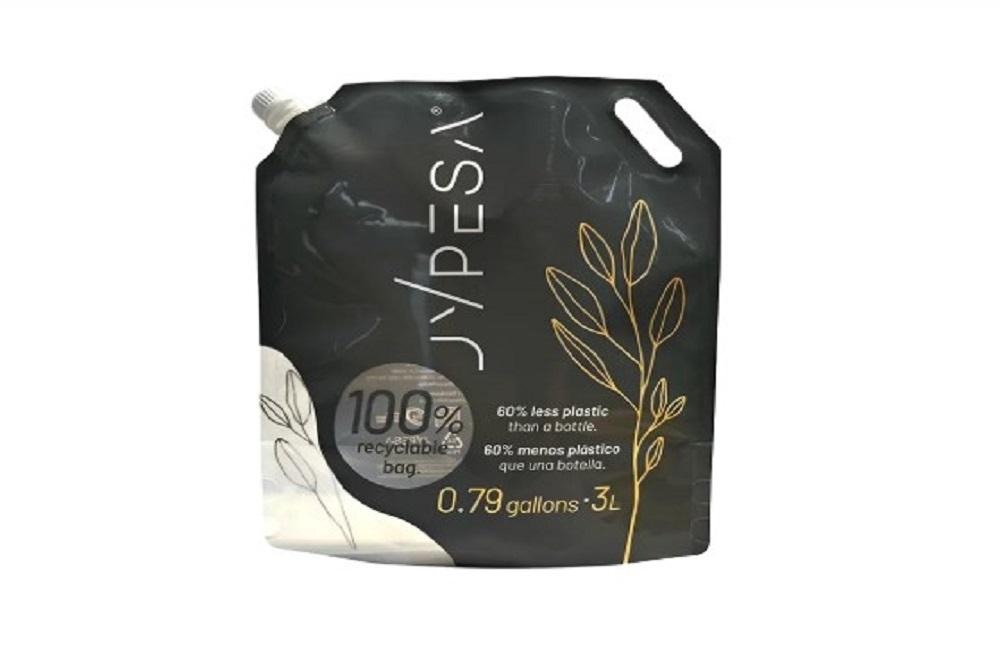
2. Recyclable Stand up Pouch
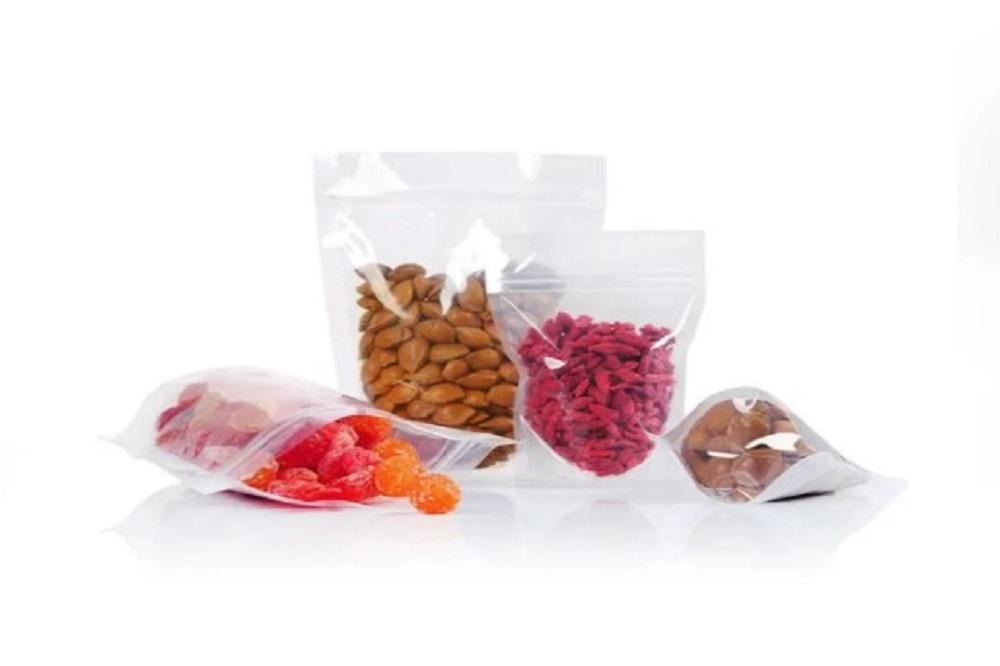
3. High barrier recyclable pouch
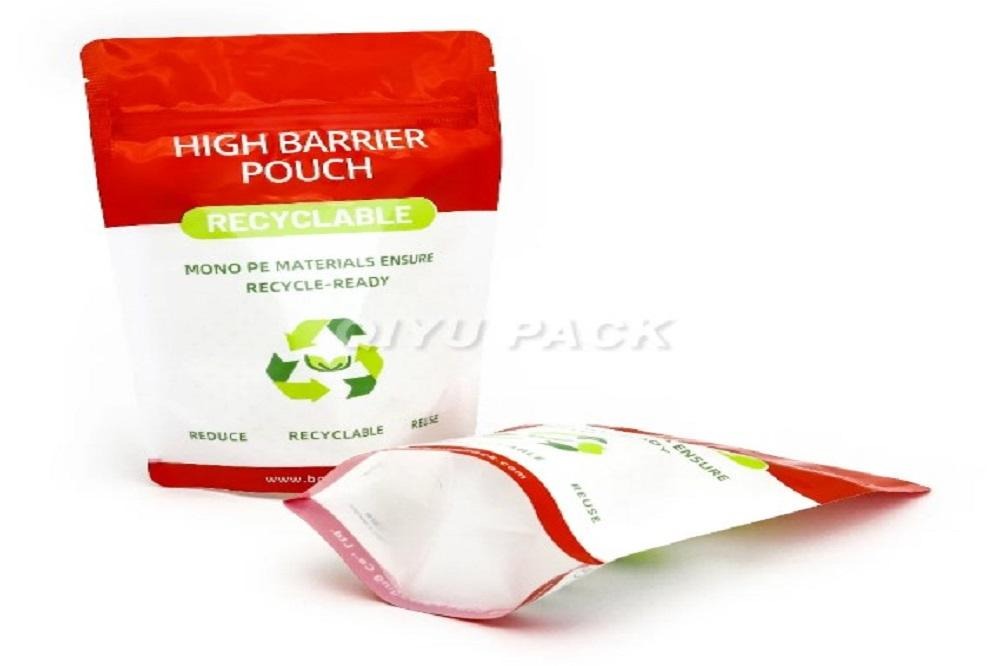
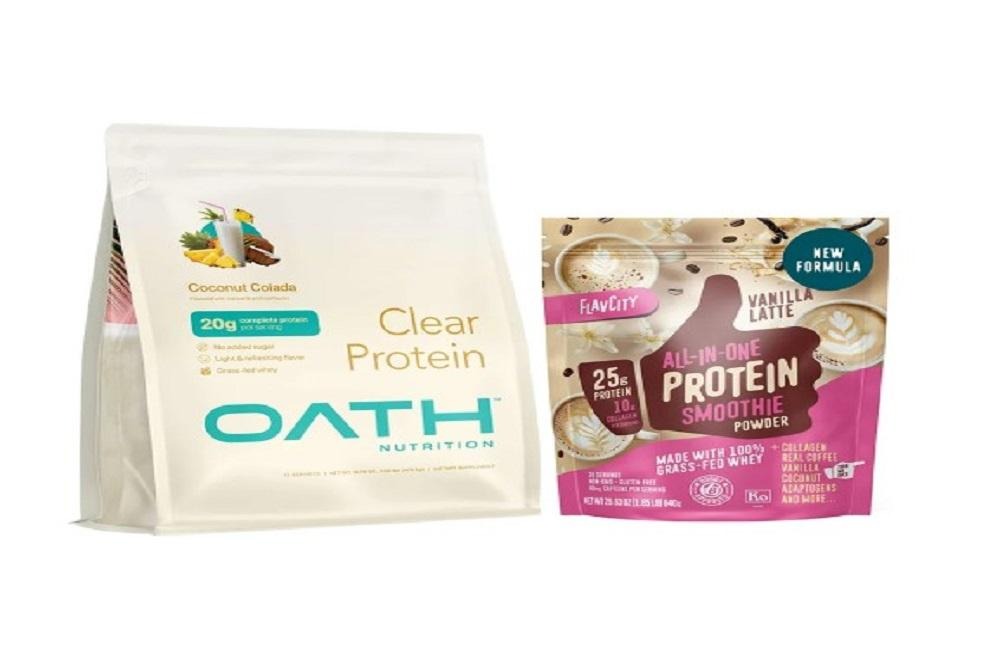
4. Recyclable Packaging for Protein Powder
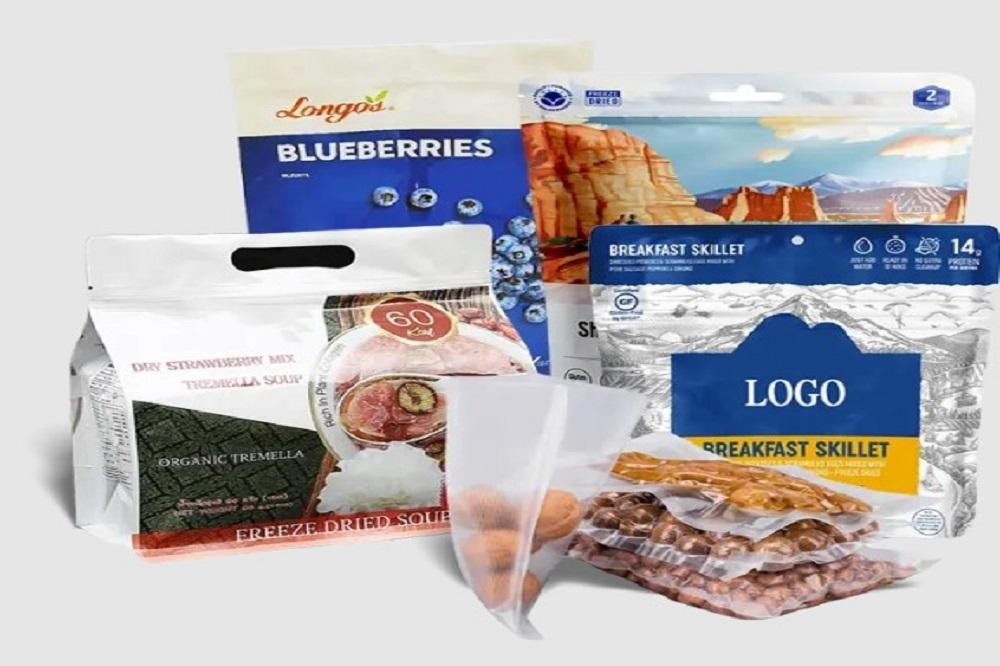
5. Recyclable Frozen Food Bags
For companies evaluating their packaging options, flexible packaging provides a compelling choice. It can meet the challenges of modern supply chains, enhance shelf appeal, and support sustainability initiatives without compromising performance or brand identity. Its versatility, durability, and design potential make it an essential tool for businesses seeking to deliver high-quality products that satisfy both consumers and environmental standards. Get more info about flexible packaging manufacturer.