Where to Find Cannabis as a Tourist and Discover Cannabis Friendly Destinations with Useful Rules and Safety Tips
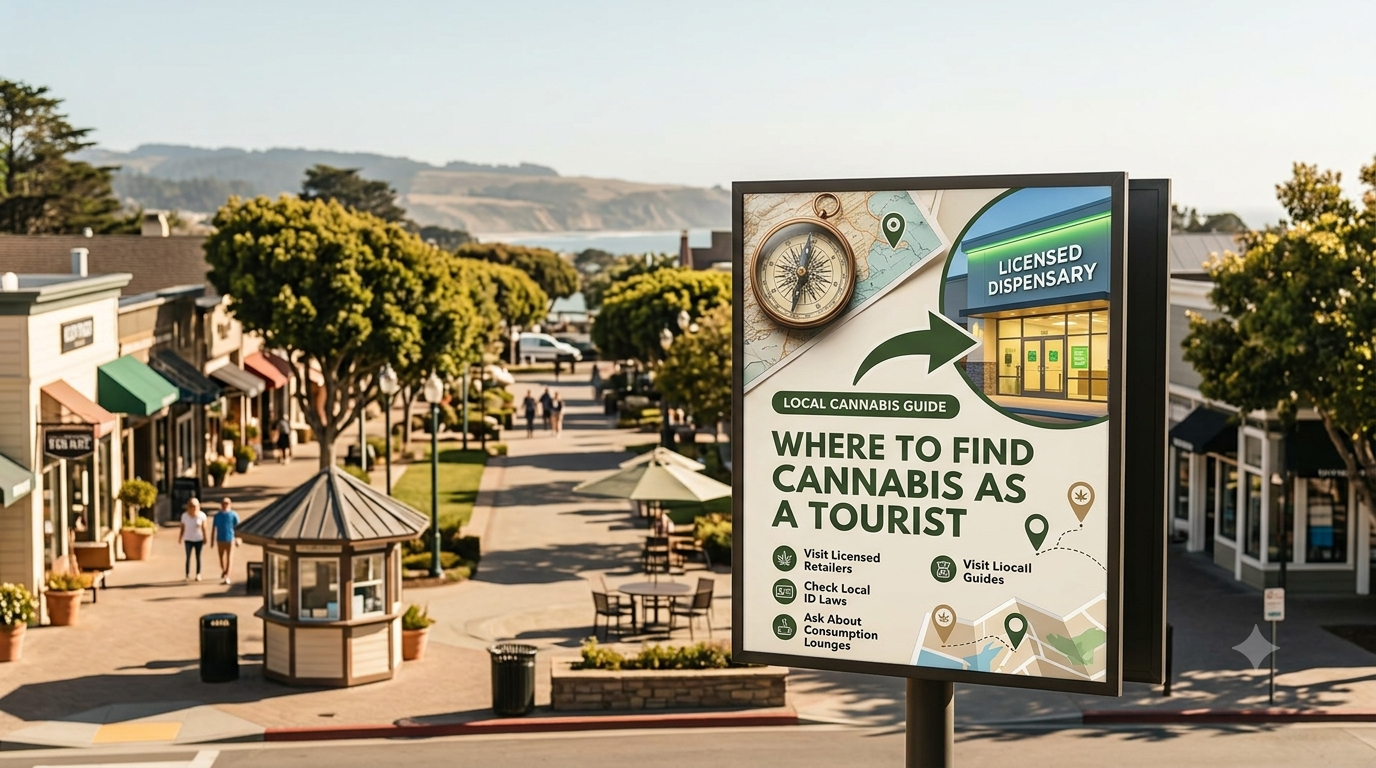
A Practical Approach to Cannabis Friendly Travel
Cannabis-friendly travel can offer visitors an opportunity to explore destinations with established cannabis cultures and regulated markets. However, responsible tourism depends on understanding the difference between a destination's reputation and its actual laws.
Travelers should not assume that a city described online as cannabis-friendly permits every form of possession or consumption. Rules can apply differently to purchasing, carrying, consuming, transporting, and sharing cannabis.
Where to Find Cannabis as a Tourist is therefore a useful starting question for broader research. Instead of searching for informal sellers, visitors should investigate whether the destination has authorized retailers and what requirements apply to tourists.
This approach supports safer and more informed travel decisions.
Research the Destination First
Before booking flights or accommodation, travelers should investigate the legal status of cannabis at the destination.
The research should cover adult-use rules, minimum age, possession restrictions, purchasing requirements, consumption locations, and transportation rules.
Travelers should also determine whether the rules differ between municipalities or regions.
In regulated markets, local governments may control retail locations and public consumption requirements. Canada's framework demonstrates this clearly because provinces and territories have authority over many aspects of cannabis distribution and local restrictions.
A visitor should therefore research the specific place they intend to visit rather than relying on a country's general reputation.
Finding Legal Retail Options
Where adult-use cannabis is legally available, authorized retailers provide the most appropriate purchasing environment.
Health Canada explains that legal cannabis products are sold through retailers authorized by provincial or territorial governments.
Travelers should use official retailer directories or regulator information where available.
A licensed store is more likely to provide standardized product information and operate according to age-verification and packaging requirements.
Tourists should be cautious about sellers who operate outside the regulated system, particularly when they approach visitors in nightlife districts or tourist areas.
Why Product Regulation Matters
Legal cannabis markets can provide safeguards that informal markets cannot guarantee.
Health Canada states that legal cannabis is quality controlled and tested for contaminants and THC or CBD accuracy.
This matters because tourists may have limited knowledge of local products.
Legal packaging can provide information about ingredients, potency, warnings, and other relevant details.
Visitors should read those details rather than relying solely on recommendations from strangers or online comments.
Understanding Different Product Types
Cannabis is available in different forms, and travelers should understand that the experience can vary.
Dried cannabis, oils, extracts, edibles, and topical products may have different characteristics. Travelers who are unfamiliar with a particular format should take time to understand its labeling and intended use.
Edibles deserve particular caution because effects may take longer to appear than expected. Consuming additional amounts too quickly can result in an unexpectedly strong experience.
A vacation is not the right setting for taking unnecessary risks with unfamiliar products.
Consumption Rules Can Change by Location
One of the biggest mistakes tourists make is assuming that legal purchase means unrestricted consumption.
Consumption may be prohibited in public areas, accommodation, workplaces, transportation facilities, or other locations.
Health Canada notes that the federal framework does not itself determine every place where cannabis can be consumed. Provincial, territorial, and municipal authorities can establish applicable requirements.
Travelers should therefore check local rules before consuming cannabis.
Accommodation Policies Matter
Even when local law permits cannabis, accommodation providers can impose additional restrictions.
A hotel might prohibit smoking in all rooms. A vacation rental might prohibit cannabis entirely. Another property might allow consumption only in specific outdoor areas.
Travelers should check the accommodation's policies during the booking process.
If there is uncertainty, asking the property directly is better than assuming permission.
Be Considerate in Shared Spaces
Cannabis tourism should involve respect for other people.
Travelers should avoid exposing unwilling people to smoke or strong odors. They should also follow restrictions around children, schools, public buildings, and other sensitive locations where applicable.
Even where consumption is permitted, discretion and courtesy can help prevent conflicts.
Visitors should remember that a vacation destination is also someone's home and workplace.
Safe Transportation Is Essential
Travelers should organize transportation around their cannabis plans.
Cannabis can impair concentration, judgment, coordination, and reaction time. Driving after consumption can put the traveler and others at risk.
Visitors should consider public transportation, licensed taxis, ride services, walking, or a sober driver.
They should also investigate local rules regarding cannabis in vehicles.
The safest travel plan is one that does not require driving after using cannabis.
International Borders Should Be a Red Line
Domestic cannabis legalization does not mean that travelers can move cannabis between countries.
Canada's current government guidance states that taking cannabis across the Canadian border is illegal, including cannabis used for medical purposes, unless a specific authorization applies.
Health Canada's import and export framework further explains that permitted cannabis imports and exports are restricted to specific purposes and require authorization.
For ordinary tourists, this means cannabis should remain within the legal boundaries of the destination and should not be treated as a souvenir for the return trip.
Transit Airports Also Matter
International travelers should consider connecting countries.
A traveler might legally purchase cannabis in one country but face serious problems if the itinerary requires crossing another country's border.
Travelers should therefore research the entire route and avoid transporting cannabis internationally.
If the legal situation is unclear, the safest option is not to carry the product.
Medical Cannabis Travelers
Medical cannabis users should conduct additional research before traveling.
A medical authorization issued in the home country does not necessarily permit cannabis possession in another country.
Travelers should contact the appropriate authorities and understand documentation requirements before departure.
They should never assume that medical status automatically creates an exemption from customs or controlled-substance laws.
Avoid Informal Deals
Travelers should be skeptical of anyone offering cannabis outside a regulated retail environment.
Unlicensed products may have uncertain potency or contents. There can also be financial scams and legal risks.
Health Canada warns that illegal cannabis is not subject to the same quality controls as legal products and may contain harmful contaminants or inaccurate information.
This is especially relevant to tourists because visitors may have difficulty determining whether a seller is legitimate.
Research Current Information
Cannabis regulations can change, so travelers should avoid relying on outdated articles or social media posts.
The Weed Travelers Guide can provide destination-oriented information for people researching cannabis travel, but travelers should verify important legal details with official authorities.
A good research process combines general travel information with current government guidance.
Plan Around the Entire Vacation
Cannabis-related activities should fit into a broader travel plan.
Visitors can explore local food, museums, historical sites, outdoor attractions, cultural events, shopping districts, and entertainment while respecting local rules.
This approach provides a more complete travel experience and prevents the trip from depending entirely on cannabis access.
Responsible Tourism Builds Better Experiences
Responsible cannabis tourism involves more than following the law.
Visitors should respect residents, businesses, accommodation providers, transportation workers, and other travelers.
They should keep products secure, avoid public disturbances, follow property rules, and dispose of packaging appropriately.
Good behavior helps protect the reputation of cannabis-friendly destinations and supports a more sustainable tourism environment.
Why Planning Ahead Helps
Travelers who research in advance have more time to understand their options.
They can identify appropriate accommodation, learn transportation routes, check retailer information, and verify legal requirements before arriving.
Planning also reduces the chance of making decisions under pressure.
A traveler should not have to depend on a stranger at an airport or tourist attraction for information about cannabis law.
Final Thoughts
The question Where to Find Cannabis as a Tourist should always be connected with questions about legality, regulation, safety, and responsible behavior.
Visitors should prioritize authorized retailers, confirm local consumption rules, respect accommodation policies, avoid impaired driving, and never assume that domestic cannabis laws allow international transportation.
Official sources remain essential for current legal information, while travel resources can help travelers understand destinations and plan their itineraries.
A responsible cannabis vacation is ultimately about informed choices. By researching before departure, respecting local communities, and staying within the rules, travelers can explore cannabis-friendly destinations while maintaining a safer and more enjoyable travel experience.