Choosing a Battery Charger for E-Scooter: Features, Compatibility, and Practical Benefits
Electric scooters offer a convenient way to travel through cities, neighborhoods, campuses, and other short-distance routes. Their usefulness depends heavily on the battery system, and the charger is an essential part of keeping that system ready for everyday operation. Choosing the correct charging equipment can help users maintain a consistent charging routine while avoiding compatibility issues that may occur when a charger does not match the battery specifications.
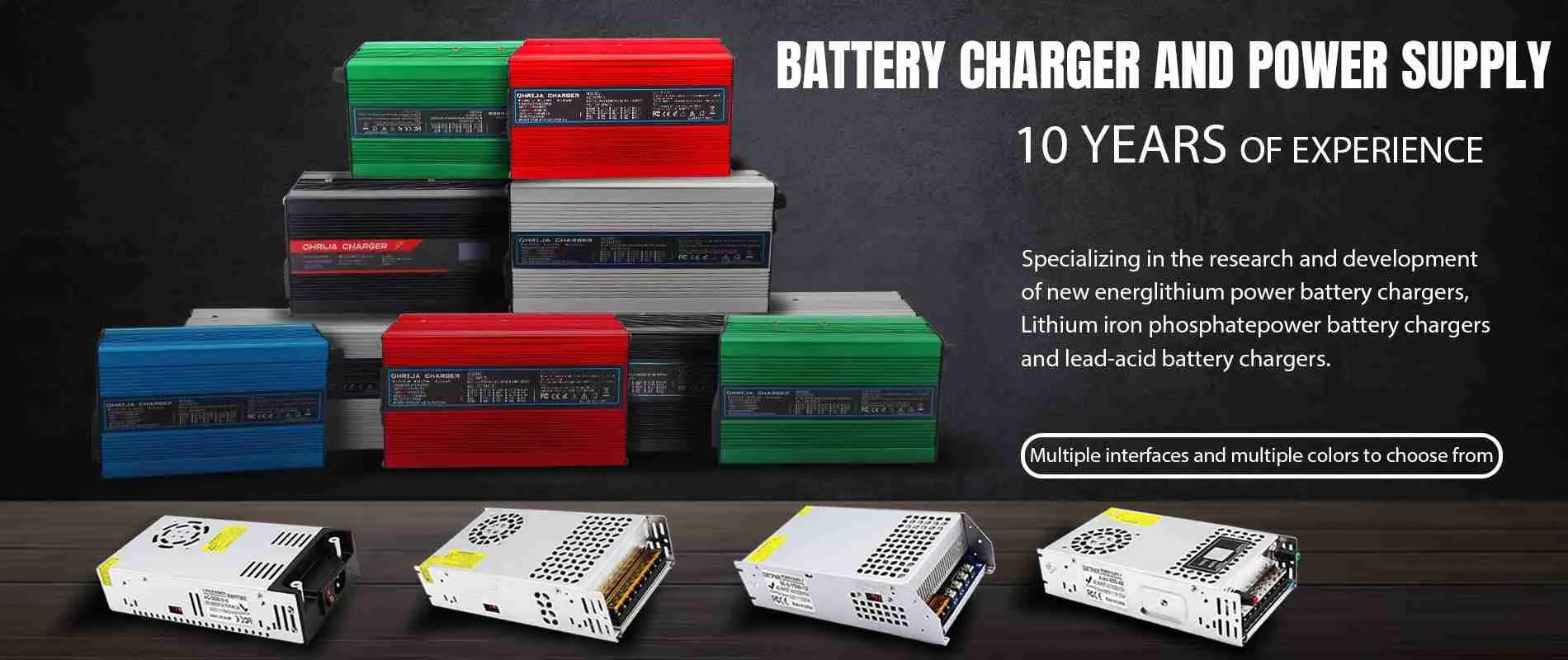
OHRIJA is a brand of Dongguan Hengruihong Technology Co., Ltd., established in 2020 and headquartered in Dongguan, Guangdong Province, China. The company is a high-tech enterprise integrating research and development, production, and sales. Its product portfolio covers lithium battery chargers, lithium iron phosphate battery chargers, lead-acid battery chargers, golf cart chargers, power adapters, switching power supplies, and other power-related products.
Understanding the Role of an E-Scooter Charger
An electric scooter charger is responsible for transferring electrical energy from a power source to the scooter's rechargeable battery. While the basic purpose sounds simple, different battery systems have different electrical requirements. The charger's output voltage, charging current, charging profile, connector, and other specifications must be appropriate for the battery being charged.
This is why customers should not select charging equipment solely according to physical appearance. A connector that appears to fit may not guarantee electrical compatibility. Checking the original charger label and the battery manufacturer's specifications provides a better starting point when looking for replacement or application-specific equipment.
For customers researching a Battery charger for e scooter, identifying the exact battery chemistry and electrical requirements is particularly important. This approach helps narrow the available options and makes it easier to identify a charging solution designed for the intended application.
Important Features to Evaluate Before Purchasing
Voltage Compatibility
Voltage is one of the most important specifications to verify. The charger's output voltage must be appropriate for the battery system. Using equipment with unsuitable electrical specifications can create compatibility concerns and may prevent the battery from charging correctly. Always compare the charger's rating with information supplied by the scooter or battery manufacturer.
Charging Current
Charging current influences the rate at which electrical energy is supplied to the battery. Different battery packs are designed around different charging requirements, so the highest available current is not automatically the correct choice. The appropriate current should be determined from the battery specifications and the manufacturer's recommended charging parameters.
Battery Chemistry
Battery chemistry has a direct impact on charging requirements. Lithium-ion batteries, lithium iron phosphate batteries, and lead-acid batteries have different characteristics and should be charged using equipment intended for the relevant technology. Selecting a charger according to battery chemistry is therefore an essential part of the purchasing process.
Connector Design
The connector needs to match the scooter's charging port in both physical design and electrical configuration. Customers should check connector dimensions, pin arrangement, polarity, and cable specifications before ordering a replacement. These details can vary among scooter models and battery systems.
How the Charging Process Works
A charger converts electricity from an AC power source into DC power suitable for the connected battery system. Internal electronic components regulate the electrical output according to the charger's design and intended battery application. During charging, the charger manages voltage and current so that energy can be delivered according to the required charging profile.
The precise charging process depends on the battery technology. Lithium-based batteries, for example, require a charging method appropriate to their chemistry and design. Lead-acid systems use different charging characteristics. This difference demonstrates why a universal approach is not appropriate for every rechargeable battery.
How to Use an E-Scooter Charger Correctly
Verify the Equipment First
Before connecting the charger, inspect the cable, housing, and connector for visible damage. Confirm that the input and output specifications correspond to the requirements of the scooter battery. If there is uncertainty about compatibility, consult the scooter or battery documentation rather than relying on assumptions.
Choose an Appropriate Charging Location
Charging should take place in a clean, dry, and well-ventilated environment. Keep the charger away from excessive moisture and avoid covering ventilation openings during operation. A stable charging location also makes it easier to keep cables organized and inspect the equipment regularly.
Follow the Recommended Procedure
Users should follow the connection and disconnection procedure specified by the scooter and charger manufacturer. After the charging cycle is complete, disconnect the equipment as recommended and store it in a suitable location. Following the manufacturer's instructions is especially important when using replacement charging equipment.
Benefits of a Properly Matched Charging Solution
Reliable Everyday Charging
A compatible charger makes it easier for scooter owners to maintain a predictable charging routine. For commuters, delivery operators, and other frequent users, convenient access to appropriate charging equipment can help integrate battery charging into their daily schedules.
Support for Different Battery Applications
Customers may use different battery technologies depending on their vehicle or equipment. A manufacturer with experience in multiple charger categories can address a broader range of requirements, from lithium battery applications to lithium iron phosphate and lead-acid systems.
Practical Power-Supply Expertise
Charging products are part of a wider power-electronics ecosystem. Experience with power adapters and switching power supplies can complement charger development and provide additional options for