Comprehensive Guide to UV DTF Printing Technology and Applications
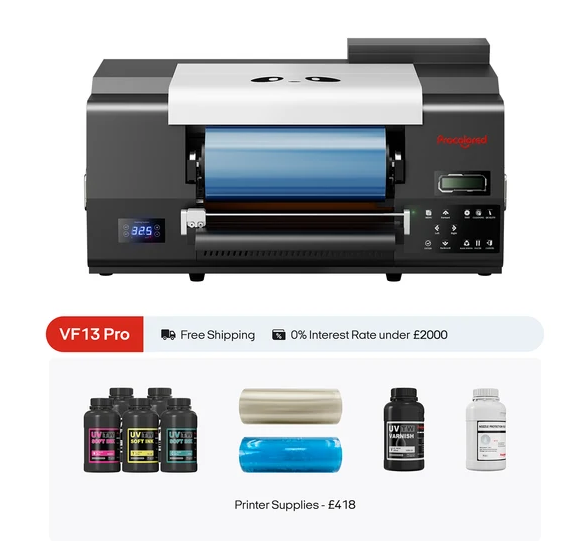
UV DTF printing has emerged as a groundbreaking method in the customization and personalization industry. Unlike traditional UV printers that print directly onto rigid or flat substrates, the imprimante uv dtf process utilizes a specialized transfer technique. This innovative workflow bridges the gap between direct printing and sticker application, allowing businesses and hobbyists to decorate complex, irregular, and curved surfaces with exceptional ease and durability.
Understanding the UV DTF Working Mechanism
The core concept behind UV DTF technology relies on a dual film setup and ultraviolet light curing. Instead of applying ink straight onto an object, the machine prints the design onto a specific release film. As the print head moves across the material, LED UV lamps instantly cure the ink, transforming it from a liquid state into a solid, vibrant layer.
Following this initial printing phase, a laminating machine applies a protective adhesive film over the printed design. This additional step binds the graphic securely and prepares it for the transfer phase. When you are ready to apply the graphic, you simply peel away the backing paper, place the design onto your target object, press it down firmly, and remove the top carrier film. The result is a durable, raised decal that looks like a direct print.
Key Advantages of UV DTF Printers
One of the primary benefits of this technology is its remarkable versatility. Traditional direct to object printing often struggles with uneven surfaces, cylindrical items like mugs or bottles, or items that do not fit standard flatbed boundaries. UV DTF bypasses these limitations entirely. Because you create a flexible crystal sticker, you can decorate virtually any hard surface regardless of its shape.
Additionally, the finished decals offer outstanding resistance to environmental factors. The combination of UV curable inks and strong lamination ensures that the final stickers are waterproof, scratch resistant, and resistant to fading from sunlight. This makes the technology ideal for both indoor promotional items and outdoor products that require long lasting durability.
Common Applications Across Various Industries
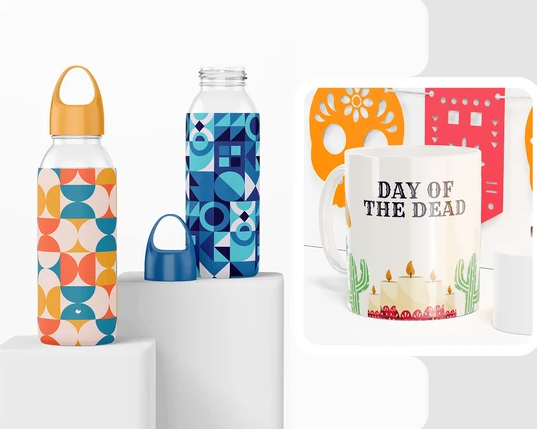
The flexibility of UV DTF transfers makes them popular across numerous sectors. In the promotional merchandise industry, businesses use these printers to brand metal flasks, glass bottles, acrylic keychains, and leather notebooks. Because the stickers adhere strongly to materials like glass, metal, ceramic, wood, and plastic, the potential product range is vast.
Small business owners also favor this method for low volume production and custom orders. Unlike traditional screen printing or pad printing, which require expensive setup costs and minimum order quantities, UV DTF allows for on demand manufacturing. You can print a single custom sticker or an entire sheet of various designs quickly and efficiently, reducing material waste and lowering overhead costs.
Conclusion
UV DTF printing represents a major step forward for the personalization and custom decoration market. By combining the high resolution and vibrant color reproduction of UV printing with the convenience of sticker transfer technology, it enables creators to brand complex surfaces effortlessly. Whether you are launching a new customization business or looking to expand your existing product catalog, investing in this technology opens up endless creative and commercial possibilities.