Reliable Plastic Processing Machinery for Smarter and More Efficient Industrial Production
The modern plastic manufacturing industry depends on advanced machinery to transform raw materials into high-quality products for different commercial and industrial applications. From packaging and household products to construction materials and specialized components, plastic production requires equipment capable of delivering consistent results. As manufacturing demands continue to evolve, businesses are increasingly looking for machinery that combines reliable performance, practical technology, and operational efficiency.
Choosing the right plastic processing equipment is an important decision for manufacturers planning to improve their production capabilities. Suitable machinery can simplify processing operations, support consistent product quality, and help businesses manage different manufacturing requirements. Whether a facility specializes in plastic compounding, thermoforming, or other production methods, equipment quality plays an important role in achieving its operational objectives.
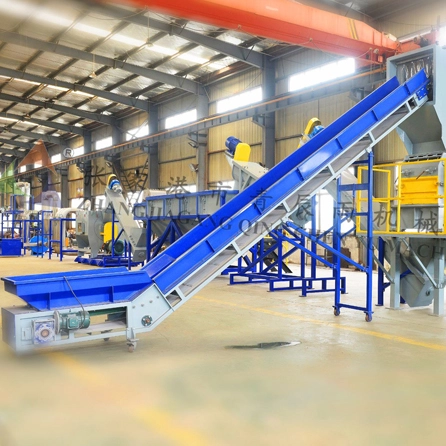
Why Modern Plastic Manufacturing Requires Advanced Equipment
Plastic manufacturing involves several technical processes that convert raw polymer materials into usable products. Depending on the intended application, manufacturers may need specialized machinery for mixing, heating, shaping, forming, and finishing different plastic materials.
Traditional production methods may not always provide the flexibility and efficiency required by modern manufacturing facilities. Advanced equipment offers opportunities to improve production organization, manage processing conditions, and handle different material requirements more effectively.
Reliable machinery also contributes to better production planning. When equipment is suitable for its intended application, manufacturers can establish more consistent workflows and reduce unnecessary operational complications. This makes equipment selection an important consideration for both established factories and businesses developing new production facilities.
Exploring Different Plastic Processing Applications
Plastic processing covers several manufacturing techniques, each designed to achieve particular material characteristics or finished product shapes. Understanding these applications helps businesses identify machinery that matches their production requirements.
Plastic Compounding and Material Preparation
Plastic compounding is a process that combines polymers with additives, fillers, colorants, and other ingredients to create materials with specific properties. Manufacturers use this technique to develop plastic compounds suitable for different applications and performance requirements.
Appropriate compounding equipment supports the mixing and preparation stages, helping businesses work toward consistent material formulations. When selecting machinery, manufacturers should consider material compatibility, processing capacity, and the characteristics required from the finished compound.
Thermoforming for Customized Plastic Products
Thermoforming is an important manufacturing technique used to transform plastic sheets into specific shapes. The process generally involves heating a sheet until it becomes flexible and then forming it over or into a mold using suitable forming methods.
This technology is commonly applied in the production of packaging trays, containers, protective packaging, and customized plastic components. Suitable thermoforming machinery helps manufacturers manage heating and forming operations while supporting repeatable product designs.
Other Specialized Manufacturing Processes
Depending on the products being manufactured, plastic production facilities may also require machinery for cutting, shaping, material preparation, and other specialized operations. Having access to different equipment options allows manufacturers to plan production lines according to their specific requirements.
Key Benefits of Investing in Quality Plastic Processing Equipment
Industrial machinery represents an important investment, so businesses should evaluate the benefits that equipment can provide throughout its working life. Selecting suitable processing solutions can contribute to several important manufacturing improvements.
Improved Production Efficiency
Equipment designed for specific processing applications can help manufacturers organize production activities and manage repetitive operations. More efficient workflows can support production targets while helping businesses use available resources effectively.
Consistent Product Quality
Consistency is essential when producing plastic components and finished goods for commercial customers. Suitable machinery helps manufacturers manage important processing stages and work toward repeatable production results. Regular inspection and appropriate operating procedures further support quality management.
Long-Term Durability
Industrial equipment must handle regular operation and demanding working environments. Durable construction is therefore an important consideration when comparing machinery. Dependable equipment can help businesses maintain production schedules and reduce interruptions associated with unsuitable machinery.
Convenient and User-Friendly Operation
Modern manufacturing facilities benefit from machinery that operators can understand and manage effectively. User-friendly equipment can simplify everyday production activities, support operator training, and reduce unnecessary operating complications.
Greater Production Flexibility
Manufacturing requirements may change as businesses introduce new products or serve different markets. Equipment suitable for different processing applications can provide additional flexibility when companies plan production improvements or expand their manufacturing capabilities.
Important Features to Evaluate When Selecting Plastic Machinery
Before investing in industrial equipment, manufacturers should review several technical and operational characteristics. These considerations help ensure that the selected machinery is appropriate for the intended production environment.
Processing Capacity and Material Compatibility
Every manufacturing operation has specific output requirements. Buyers should evaluate machine capacity and confirm that the equipment can handle the materials required for their applications. Understanding these specifications helps prevent mismatches between machinery capabilities and production objectives.
Technology and Operating Controls
Modern processing equipment may incorporate features designed to support convenient operation and better management of production activities. Manufacturers should examine the available controls, operating procedures, and technical specifications before choosing a machine.
Maintenance and Technical Requirements
Regular maintenance is necessary for dependable industrial machinery. Businesses should understand cleaning procedures, component inspections, maintenance schedules, and any specialized technical requirements associated with the equipment.
Factory Space and Installation Planning
Available production space is another important factor. Manufacturers should consider machine dimensions, installation requirements, electrical connections, and the layout of surrounding equipment when planning a new production setup.
How Plastic Processing Equipment Works in a Manufacturing Facility
Although different machines perform different functions, most plastic manufacturing operations follow several connected stages. Understanding this general workflow helps businesses organize production activities more effectively.
Step 1: Raw Material Preparation
The process begins with selecting and preparing the required plastic materials. Depending on the application, this may involve organizing polymer pellets, additives, plastic sheets, or other production inputs.
Step 2: Material Processing
Prepared materials are introduced into the appropriate machinery. Compounding equipment combines different ingredients, while thermoforming machinery heats and shapes plastic sheets. Each machine performs a specific function according to the intended manufacturing method.
Step 3: Product Formation and Finishing
Following the main processing operation, materials are transformed into the required products. Depending on the application, additional activities may include cooling, trimming, cutting, or other finishing procedures.
Step 4: Quality Inspection
Finished products undergo inspection to confirm that they meet the required specifications. Manufacturers may examine dimensions, surface appearance, consistency, and other quality characteristics before packaging or distribution.
Why Choose XJGMachine for Plastic Processing Solutions?
Finding an appropriate equipment supplier is an important part of building an effective manufacturing operation. Businesses need machinery that addresses their processing requirements while offering practical features for regular industrial use.
XJGMachine Plastic Processing Equipment Manufacturer offers a comprehensive range of plastic processing machinery developed for different manufacturing applications. Its equipment combines modern technology with an emphasis on high-quality construction, durability, efficiency, and user-friendly operation.
There are several reasons manufacturers may consider exploring its equipment range:
- Comprehensive product selection: Machinery options covering different plastic processing applications, including compounding and thermoforming.
- Technology-focused solutions: Equipment designed to address the changing requirements of modern plastic production.
- Durability-oriented design: Machinery developed with attention to dependable construction and industrial applications.
- Practical operation: User-friendly equipment that supports manageable production workflows.
- Manufacturing efficiency: Solutions intended to help businesses work toward their production goals more effectively.
For companies comparing industrial machinery suppliers, these qualities make the available product range worth considering when planning equipment purchases or evaluating production upgrades.
Building a More Productive Plastic Manufacturing Operation
Successful plastic manufacturing requires more than simply purchasing machinery. Businesses must combine suitable equipment with organized workflows, trained operators, regular maintenance, and effective quality control. Each of these elements contributes to a dependable production environment.
As industrial requirements continue to develop, investing in machinery that offers durability, efficiency, versatility, and convenient operation becomes increasingly important. Equipment should be selected according to actual production needs rather than specifications that may not provide practical value to the business.
From plastic compounding and thermoforming to other specialized processing applications, the right machinery can help manufacturers strengthen their production capabilities and pursue long-term operational improvements. XJGMachine provides a comprehensive range of plastic processing equipment designed around the needs of modern manufacturing. Visit its official website to explore available solutions and discover machinery that can support your next step toward more efficient, reliable, and productive plastic manufacturing.