Understanding Power Transformers and Current Transformers: A Complete Guide

Transformers are the backbone of modern electrical systems, ensuring the efficient transmission and distribution of electricity. Whether you are an electrical engineer, a student, or a professional in the field, understanding power transformer and current transformers is essential. This guide will cover their types, working principles, maintenance tips, and best practices.
What is a Power Transformer?
A power transformer is a static electrical device that transfers electrical energy between two or more circuits through electromagnetic induction. Power transformers are primarily used in high-voltage transmission networks to step up or step down voltage levels efficiently.
Key Features of Power Transformers:
Voltage Conversion: Step-up and step-down of voltage for transmission and distribution.
Efficiency: High efficiency (typically 98% to 99%) due to minimal energy loss.
Reliability: Designed for long-term operation with low maintenance.
Applications: Used in power plants, substations, industrial facilities, and commercial buildings.
Types of Power Transformers:
Step-Up Transformer: Increases voltage from low to high for long-distance transmission.
Step-Down Transformer: Reduces voltage for safe usage in homes and industries.
Autotransformer: Shares part of the winding between primary and secondary for efficient voltage regulation.
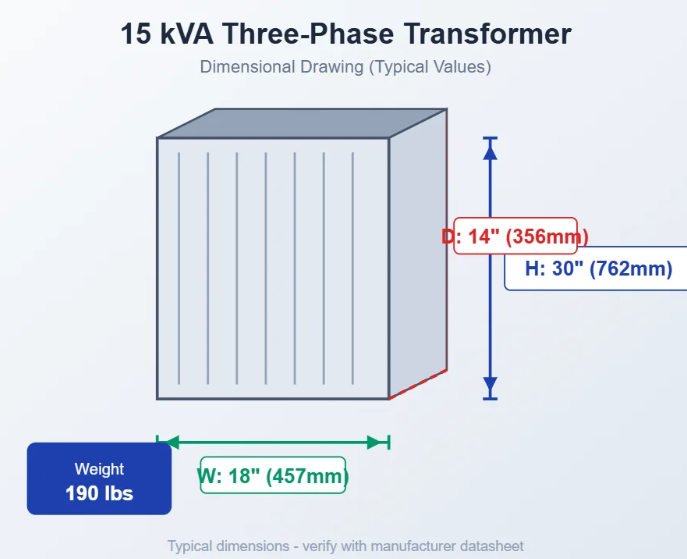
Three-Phase Transformer: Used for three-phase power systems, ideal for industrial and commercial applications.
What is a Current Transformer?
A current transformer (CT) is a type of transformer that reduces high current levels to a lower, manageable value for measurement, protection, and control purposes. CTs are vital in electrical systems to safely monitor and control large currents without directly handling them.
Safety: Converts high current to a lower range for instruments and relays.
Accuracy: Ensures precise current measurement for metering and protection.
Protection: Prevents overcurrent damage to equipment by interfacing with protective relays.
Oil Testing: Perform dielectric and moisture analysis to prevent insulation failure.
Cleaning: Keep cooling fins and insulators free from dust and debris.
Load Management: Avoid overloading to maintain efficiency and prevent damage.
Protective Devices: Ensure proper functioning of relays, circuit breakers, and fuses.
Conclusion
Understanding power transformers and current transformer is crucial for electrical engineers and professionals. From voltage conversion to current measurement, transformers