GT Golf Cart Manufacturer for Advanced Electric Mobility Solutions
Electric golf carts have become an important part of modern low-speed transportation. What was once primarily associated with golf courses is now used in resorts, residential communities, commercial facilities, campuses, recreational properties, and other environments where convenient short-distance mobility is needed. As demand for practical electric transportation continues to grow, selecting a reliable manufacturing partner is an important consideration for businesses and organizations.
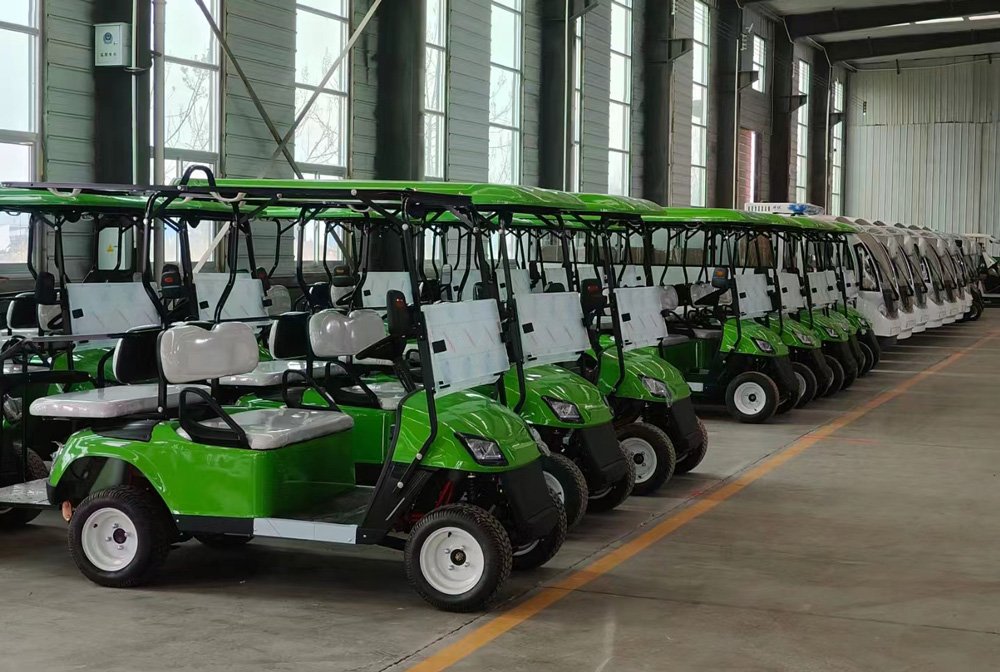
Professional electric golf cart production requires attention to vehicle design, power systems, structural quality, comfort, safety, and application-specific requirements. With more than 12 years of industry experience, GT Golf Cart specializes in the design, manufacturing, and global supply of electric golf carts and low-speed vehicles. Its solutions are developed for customers seeking practical transportation options for golf courses, resorts, communities, and commercial fleets worldwide.
Understanding Modern Electric Golf Cart Manufacturing
A modern electric golf cart consists of several integrated systems that work together to provide controlled and efficient low-speed transportation. The electric motor, battery, controller, braking system, steering, suspension, frame, seating, and body components all influence the vehicle's overall performance. Professional manufacturing brings these elements together with the intended application in mind.
Businesses looking for a dependable GT Golf Cart Manufacturer can evaluate solutions according to their transportation requirements. Instead of selecting a vehicle based only on its appearance, buyers can consider passenger capacity, operating environment, expected usage, cargo requirements, charging needs, and fleet objectives before making a decision.
Manufacturing Experience Matters
More than a decade of industry experience can provide valuable insight into the changing needs of electric vehicle users. Manufacturing experience supports continuous product development and helps companies understand the practical requirements of different industries. This can be especially valuable for organizations that depend on electric carts for regular transportation rather than occasional recreational use.
Benefits of Choosing Electric Golf Carts
Electric golf carts offer a convenient transportation option for short-distance travel. Their compact format allows them to operate in suitable low-speed environments where larger vehicles may be unnecessary. Depending on the configuration, they can transport passengers, employees, equipment, or light cargo around a property.
Convenient Short-Distance Mobility
Large facilities often require frequent transportation between nearby locations. Resorts may need to move guests between buildings, while commercial properties may need to transport staff or maintenance equipment. Electric carts provide a dedicated solution for these types of internal transportation tasks.
Versatile Vehicle Applications
The versatility of electric carts makes them useful across multiple industries. Passenger configurations can support guest and employee transportation, while utility-oriented designs can assist with maintenance and light cargo movement. Organizations can select vehicles according to their operational requirements and intended use.
Compact and Maneuverable Design
Electric golf carts are designed for controlled, low-speed travel and can be practical in locations with limited space. Their maneuverability allows operators to navigate suitable pathways, internal roads, parking areas, and property grounds more conveniently than many full-size transportation vehicles.
How Electric Golf Carts Operate
An electric golf cart receives energy from a rechargeable battery system. When the driver presses the accelerator, the vehicle's controller manages the electrical power sent to the motor. The motor converts electrical energy into mechanical movement, allowing the vehicle to travel at its designated speed.
After operation, the batteries are connected to a compatible charging system. Charging requirements can vary depending on the battery technology, vehicle configuration, usage frequency, and operating conditions. Businesses operating multiple vehicles can establish charging schedules to maintain fleet availability and organize daily transportation more efficiently.
Proper Daily Use
Operators should use each vehicle according to its specifications and intended environment. Passenger capacity, terrain, cargo weight, operating distance, and local requirements should be considered before deployment. Drivers should also follow appropriate safety procedures and operating guidelines when using the vehicle.
Important Features to Evaluate
Choosing an electric golf cart requires careful consideration of both technical specifications and practical operating requirements. The right combination of features depends on whether the vehicle will be used for recreational transportation, hospitality services, property management, or commercial fleet operations.
Battery and Power System
The battery system is one of the most important parts of an electric vehicle. Buyers should evaluate expected travel distance, daily usage, charging access, and operating conditions when selecting a suitable power configuration. Matching the battery system to actual requirements can help maintain consistent availability.
Passenger Capacity
Passenger requirements vary significantly between applications. A golf course may need a configuration designed primarily for players, while a resort may require additional seating for guest transportation. Communities and commercial properties may also need different seating arrangements depending on their daily transportation needs.
Comfort and Driving Experience
Comfort is particularly important when vehicles are used frequently or by customers and visitors. Seating design, suspension, steering, controls, and vehicle layout can all influence the experience. A practical design should provide drivers with convenient controls while giving passengers a comfortable method of short-distance transportation.
Safety and Control Systems
Braking performance, steering response, visibility, lighting, suspension, and driver controls should all be considered when selecting a low-speed vehicle. Organizations should ensure that their chosen vehicles are appropriate for their operating environment and are used according to applicable regulations and safety requirements.
Electric Golf Carts for Golf Courses
Golf courses continue to rely on electric carts for convenient movement around extensive playing areas. Passenger carts allow golfers to travel between holes while carrying clubs and other equipment. Utility vehicles can also support course maintenance teams by transporting tools, supplies, and other materials.
A professionally manufactured fleet can help golf course operators organize transportation according to their daily requirements. Selecting suitable configurations and maintaining vehicles regularly can contribute to a more consistent operating experience.
Mobility Solutions for Resorts and Communities
Resorts and hospitality properties can use electric carts to provide internal transportation for guests and employees. Vehicles can support movement between accommodations, restaurants, recreational areas, parking facilities, and other destinations throughout a property.
Residential communities can also benefit from low-speed electric transportation. Depending on local rules, carts may be used for property maintenance, visitor services, security activities, and other internal mobility requirements. Their compact size can make them convenient for large developments with frequent short-distance travel.
Commercial Fleet Applications
Commercial organizations can incorporate electric carts into fleet operations for a wide variety of tasks. Facilities may use them for employee transportation, maintenance services, event operations, property management, or light cargo movement. Selecting vehicles based on specific duties can help businesses build a more practical fleet.
Planning a Fleet Purchase
Before purchasing multiple vehicles, businesses should determine how many units are required, how frequently they will operate, where they will be stored, and how charging and maintenance will be managed. Considering these factors in advance can help organizations establish an efficient electric mobility system.
Why Customers Consider an Experienced Manufacturer
When sourcing electric golf carts, experience, manufacturing specialization, and global supply capability are important factors. Customers often need vehicles that match specific operational requirements rather than generic transportation products. An experienced manufacturer can provide access to different vehicle solutions and help buyers evaluate options based on intended use.
GT Golf Cart has more than 12 years of industry experience and specializes in electric golf carts and low-speed vehicles. Its focus on design, manufacturing, and global supply allows customers in different markets to explore mobility solutions for recreational, hospitality, community, and commercial applications.
What to Consider Before Ordering
Buyers should begin by identifying the primary purpose of the vehicle. Consider the number of passengers, expected travel distance, terrain, frequency of use, cargo requirements, charging infrastructure, storage conditions, and desired fleet size. These details can make it easier to identify a configuration that fits the application.
Long-term operation should also be part of the purchasing decision. Battery care, routine inspections, tire condition, braking systems, electrical components, and general maintenance all contribute to the useful operation of an electric cart. A well-planned maintenance routine can help organizations keep vehicles prepared for regular use.
Reliable Electric Mobility for Global Customers
With a specialization in electric golf carts and low-speed vehicles, GT Golf Cart provides transportation solutions for customers across international markets. Its more than 12 years of industry experience supports product development for a variety of applications, including golf courses, resorts, communities, and commercial fleets.
For organizations seeking electric mobility products, working with a specialized manufacturer can simplify the process of identifying suitable vehicles. Customers can review available options, consider their operating requirements, and select solutions designed to support their specific transportation goals.
Conclusion
Electric golf carts have evolved into versatile low-speed mobility solutions that can support many modern transportation requirements. Golf courses, resorts, residential communities, and commercial properties can use appropriately configured vehicles to move passengers, staff, equipment, and light cargo efficiently across suitable environments.
Choosing an experienced manufacturer is an important part of developing a dependable electric transportation solution. With more than 12 years of industry experience and a focus on design, manufacturing, and global supply, GT Golf Cart provides electric golf carts and low-speed vehicles for customers worldwide. Organizations searching for a professional electric mobility partner can explore its solutions and select a vehicle configuration that matches their specific operational needs.